
Pool Pump School: Choosing the Right Pool Pump for Your Pool
Your pool pump is the heart of your pool system. It moves water through your filter, helps distribute chemicals, and keeps everything circulating so your pool stays clean, clear, and ready to enjoy.
But here’s the part most homeowners don’t realize:
According to ENERGY STAR, your pool pump could be your home’s second-largest energy user, costing as much as $720 per year to run.
So if you’ve ever wondered why your pool looks “off,” your equipment feels loud, or your power bill spikes during pool season, the pump might be a big part of the story.
Welcome to Pool Pump School. Let’s break it down in plain English.
Why Your Pool Pump Matters More Than You Think
Your pump affects:
Water circulation and clarity
Filter performance and cleaning frequency
Chemical effectiveness
Noise level in your backyard
Long-term wear and tear on your equipment
The right pump helps your entire pool system work better, not harder.
Option 1: Single-Speed Pool Pumps (Old School)
Single-speed pumps are the most basic style of pump.
They only have two modes:
ON
OFF
The downside?
If it’s off too long, your water can go stagnant, and sanitation effectiveness can drop. If it runs too long, you can end up with higher energy costs and more equipment strain.
Single-speed pumps can lead to:
Poor water quality
More frequent filter cleanings
Shorter pump life
Needing more chemicals to compensate
Best for: very simple systems and budget-based replacements
Tradeoff: higher operating cost long-term
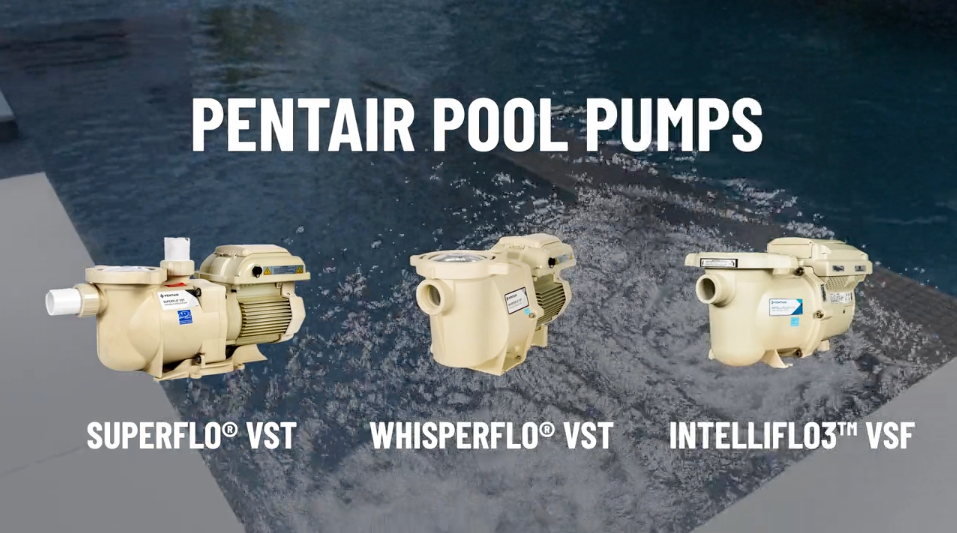
Option 2: Variable Speed (VS) Pool Pumps (The New Norm)
Variable speed pumps are the modern upgrade most homeowners love because they give you control and can cut energy use dramatically.
Pentair notes you could save up to 90% on energy costs compared to conventional single- or two-speed pumps.
They can also pay for themselves over time, typically within two years or less.
Why VS pumps are a big deal:
You can adjust speed and flow depending on what your pool needs:
Low speed for everyday circulation and energy savings
Higher speed for cleaning, vacuuming, or increased water movement
Benefits homeowners notice immediately:
Quieter backyard experience
Cleaner, clearer water from consistent circulation
Less stress on equipment since it’s not running full blast nonstop
Better connectivity when paired with pool automation and smart control
Best for: most pools, especially if you want efficiency and quieter operation
Tradeoff: higher upfront cost, but better long-term value
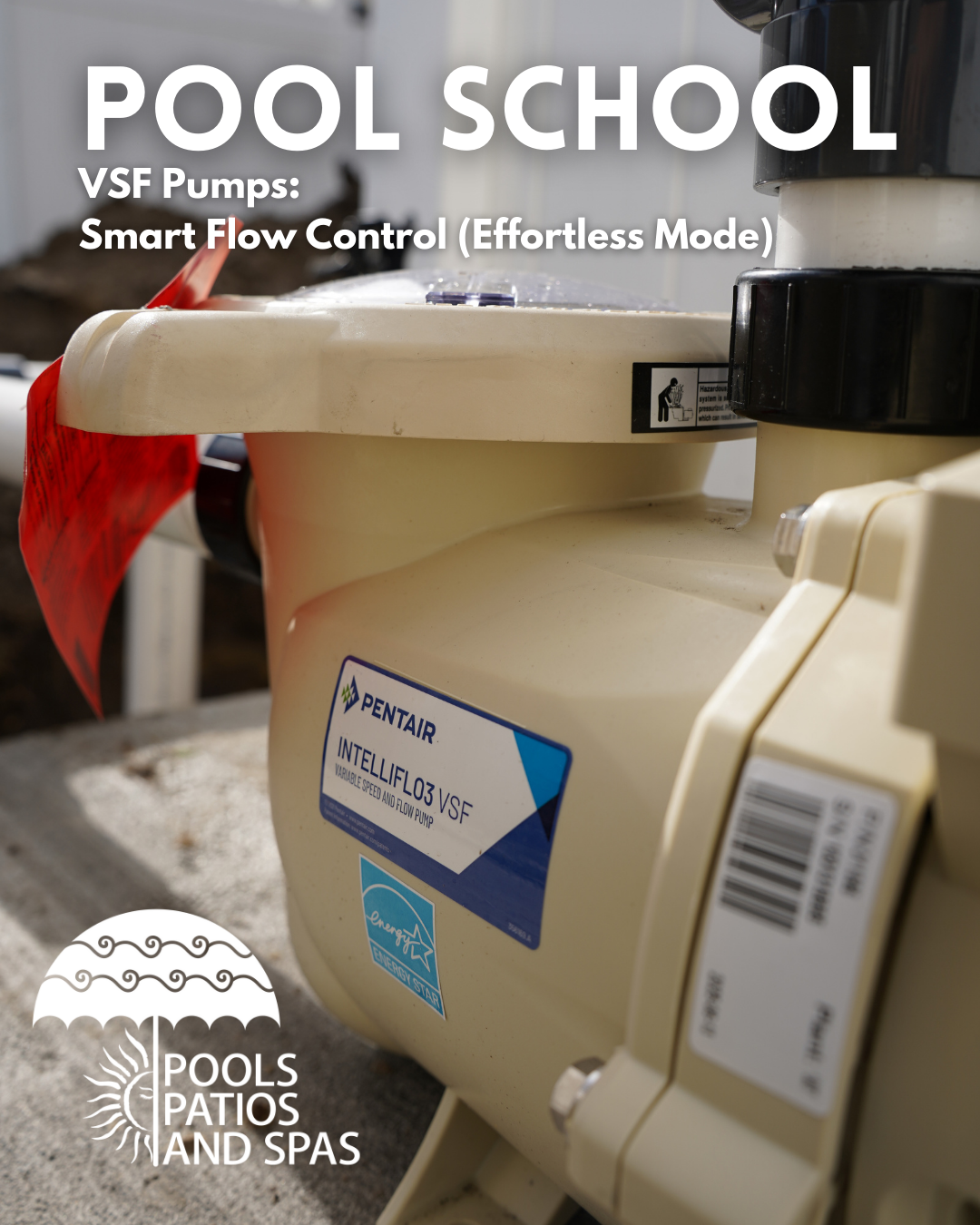
Option 3: Variable Speed + Flow (VSF) Pumps (The “Effortless Upgrade”)
VSF pumps take variable speed benefits and add something smarter:
Auto-adjusting flow control.
Pentair describes it as proprietary “sensorless flow control” that allows the pump to automatically adjust speed to maintain consistent flow as your pool system changes.
Here’s the real-world problem it solves:
As your filter collects debris, it creates more resistance in the system. That reduces water movement, which can impact overall pool performance.
A VSF pump can sense that resistance increasing and automatically adjust to keep everything running properly, including equipment like:
Heaters
Water features
Systems that depend on consistent flow
Pentair compares VSF pumps to a thermostat in your home: it helps maintain performance without you constantly tweaking settings.
Best for: pools with extra features, water features, heaters, or homeowners who want the smoothest ownership experience
Tradeoff: premium option, but “set it and forget it” convenience
Questions to Ask Before You Buy a Pool Pump
Before upgrading, Pentair recommends asking a pool professional a few key questions.
Here’s the homeowner-friendly version:
1) “What pump is right for my pool?”
Think about what matters most to you:
Lower energy costs
Quieter backyard
Smart control and app access
Better circulation and water clarity
2) “Do I need a pump that supports extra pool features?”
If you have things like water features or upgraded equipment, a pump upgrade can make those features look and feel better by improving flow.
3) “How can I estimate my savings?”
Pentair offers a pool pump savings calculator so you can explore upgrade savings.
(And we can help you evaluate what makes sense for your pool setup.)
Bottom Line: What We Recommend
If you’re replacing a pump, don’t just replace what you had.
A pump upgrade can mean:
Better water
Quieter days outside
Less hassle
Lower long-term cost
If you want the best mix of performance and efficiency, Variable Speed (VS) is the sweet spot for most pools.
If you want the most “hands-off” performance, especially with pool features, VSF is the top-tier choice.
Want Help Choosing the Right Pump?
Pools, Patios, and Spas can help you:
Match the right pump to your pool size and equipment
Upgrade for efficiency, performance, and quieter operation
Make sure everything is installed and programmed correctly
If you’re ready for a pump upgrade, send us a message and we’ll help you get it right the first time.